
Find the Right Insulated Boot
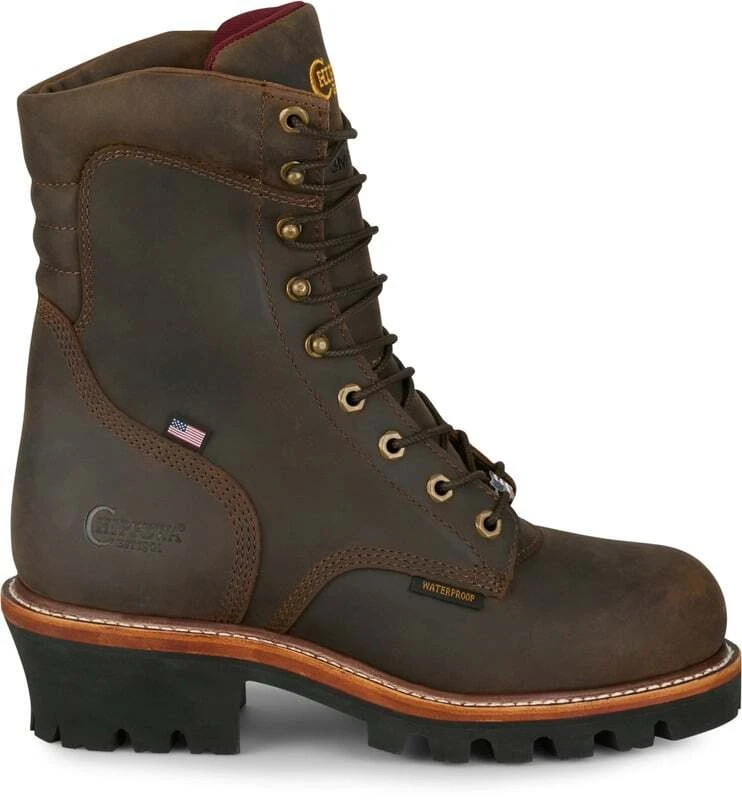
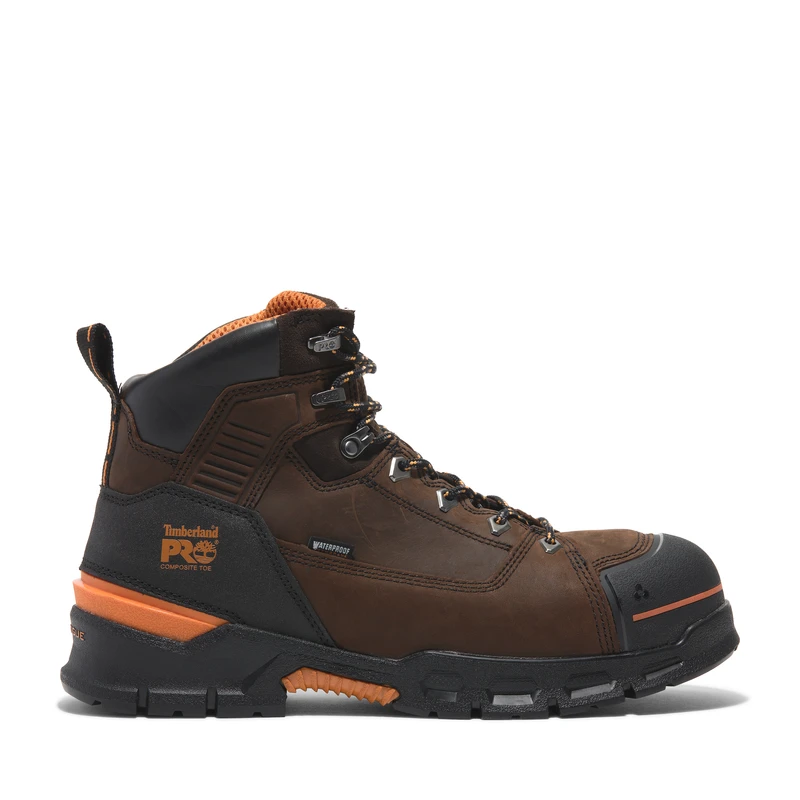
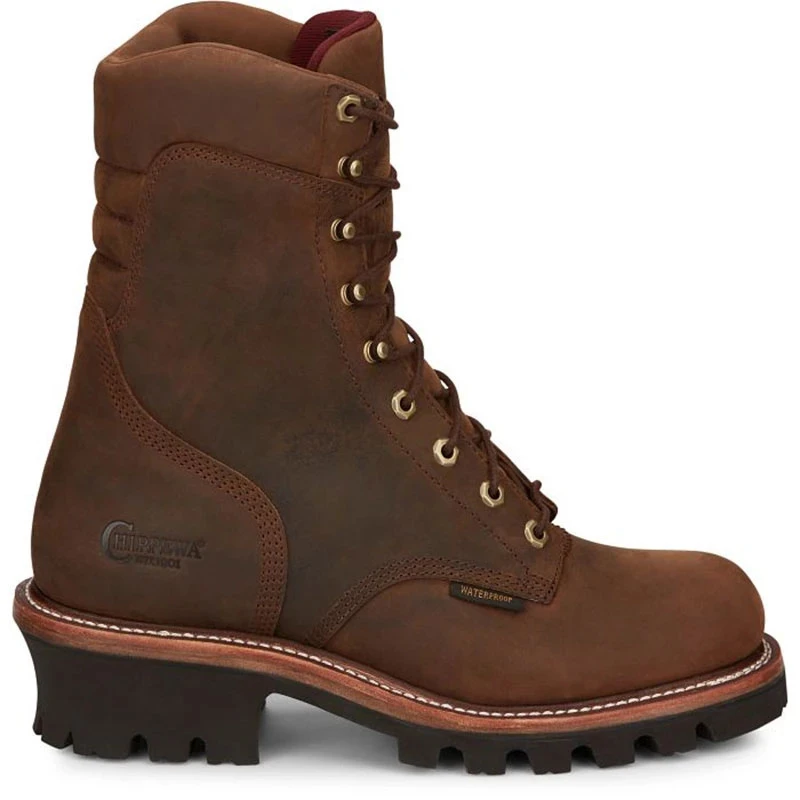
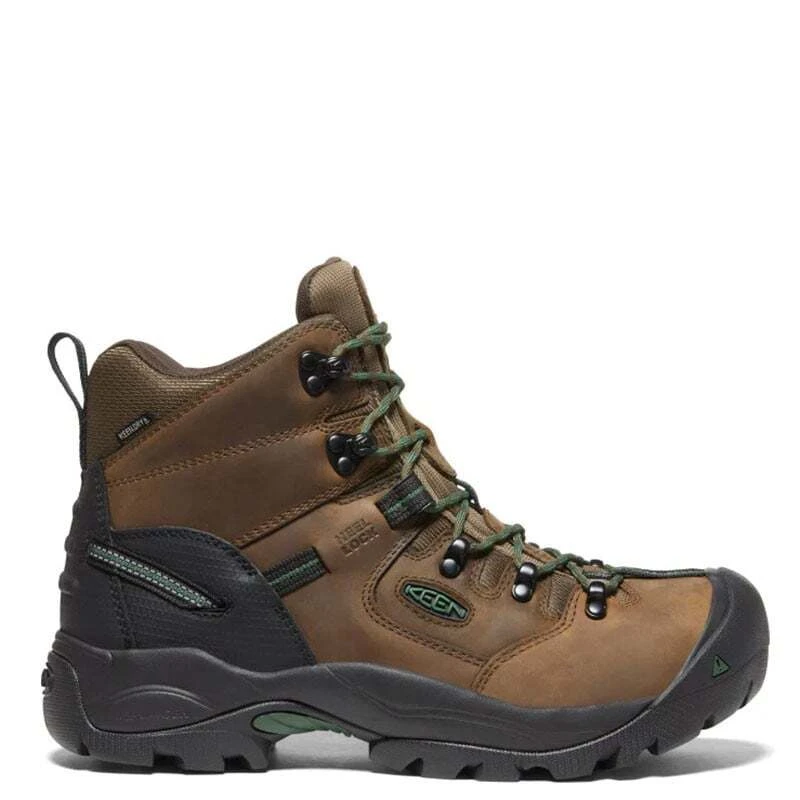
Why Buy Your Insulated Boots From Family Footwear Center
Every Insulation Level
Cold-weather work runs from moving all day to standing still in winter. We stock 200g through 800g so you can match the insulation level to the job instead of guessing.
Authorized Dealer
We are authorized to sell every brand on this page. Your boots come with the manufacturer's warranty behind them.
33 Years of Selling Work Boots
Family Footwear Center has been fitting the trades since 1992. Call us with questions before you order.
What Makes a Work Boot Warm
Insulation is only one part of staying warm on a winter job site. Moisture, toe type, traction, and support all change how a boot performs in cold conditions. Our work boot technology guide covers what each brand's systems do.
Insulation, Moisture, and Toe Type
How Insulation Level Works
Thermal insulation is measured in grams per square meter of material, and the number on the boot tells you how much is built into the lining. More insulation traps more heat, but it also takes up room inside the boot and runs warm once the weather turns. A heavy insulated boot is usually a seasonal pair rather than the boot you wear all twelve months.
Moisture Is What Makes Feet Cold
Wet insulation stops working. A waterproof membrane blocks outside water while letting sweat vapor escape, which matters as much as the insulation itself on a wet winter job site. Water-resistant treated leather handles light moisture but gives up in standing water, so check the product page for which protection a boot actually carries.
Toe Type and Cold Transfer
Steel conducts temperature, so a steel toe cap can feel cold against the front of your foot on the worst days. Composite toe caps are non-metallic and do not conduct, which is why they get recommended for cold weather work. Both meet the same ASTM F2413 impact and compression standards, so this comes down to comfort rather than protection.
Traction, Support, and Safety Ratings
Slip-Resistant Soles
Ice, packed snow, and slick surfaces are the most common winter hazards on a job site. Slip-resistant outsoles use tread geometry and rubber compounds built to hold grip in cold, wet conditions.
Steel Shank Support
A steel shank runs through the midsole and keeps the boot from flexing over uneven ground and frozen ruts. It matters most in logger and mining styles, where you are working on ground that never stays level.
Electrical Hazard Ratings
Electrical hazard (EH) rated boots use non-conductive soles and heels to reduce shock risk near live circuits. The rating covers the sole and heel, so a steel toe boot can still carry it.
Insulation Levels Compared
Every insulated boot in this collection lists its insulation level in the product title. Here is what each insulation weight is built for.
| Insulation Level | What It Is Built For |
|---|---|
| 200g Insulated | Cool weather with steady movement. Suits fall and early winter work where you are walking, climbing, or handling material most of the day. The most common choice for anyone who runs warm. |
| 400g Insulated | Cold weather with moderate activity. The middle of the range and the most versatile option for winter work, including logger and heavy-duty styles. |
| 600g Insulated | Sustained cold with less movement. Built for winter work boots that spend long hours outdoors in conditions that stay below freezing. |
| 800g Insulated | Deep cold and standing still. The warmest option, made for stationary outdoor work in winter. Too warm for most people once temperatures climb. |
| 1000g+ Insulated | Extreme cold conditions and long periods outdoors. Built for extended winter work where staying warm is the priority. Best suited for low activity jobs or harsh winter environments. |
Insulated Work Boot FAQs
Insulation level is the first thing to settle, but it is not the only question that comes up before an order. Here are the questions we hear most.
What does the gram number on an insulated boot mean?
Should I size up for an insulated boot?
Do I need waterproof and insulated, or just insulated?
Does a composite toe stay warmer than a steel toe?
How do I take care of insulated leather work boots?
Ready for Winter Work
Family Footwear Center has sold work boots for 33 years across four Northeast stores . Our team can answer questions about insulation levels, waterproofing, toe types, and what each brand offers before you order. Browse the collection above, or call us with any questions.
QUESTIONS? CALL 1-888-855-0119