Hiking Boots and Shoes
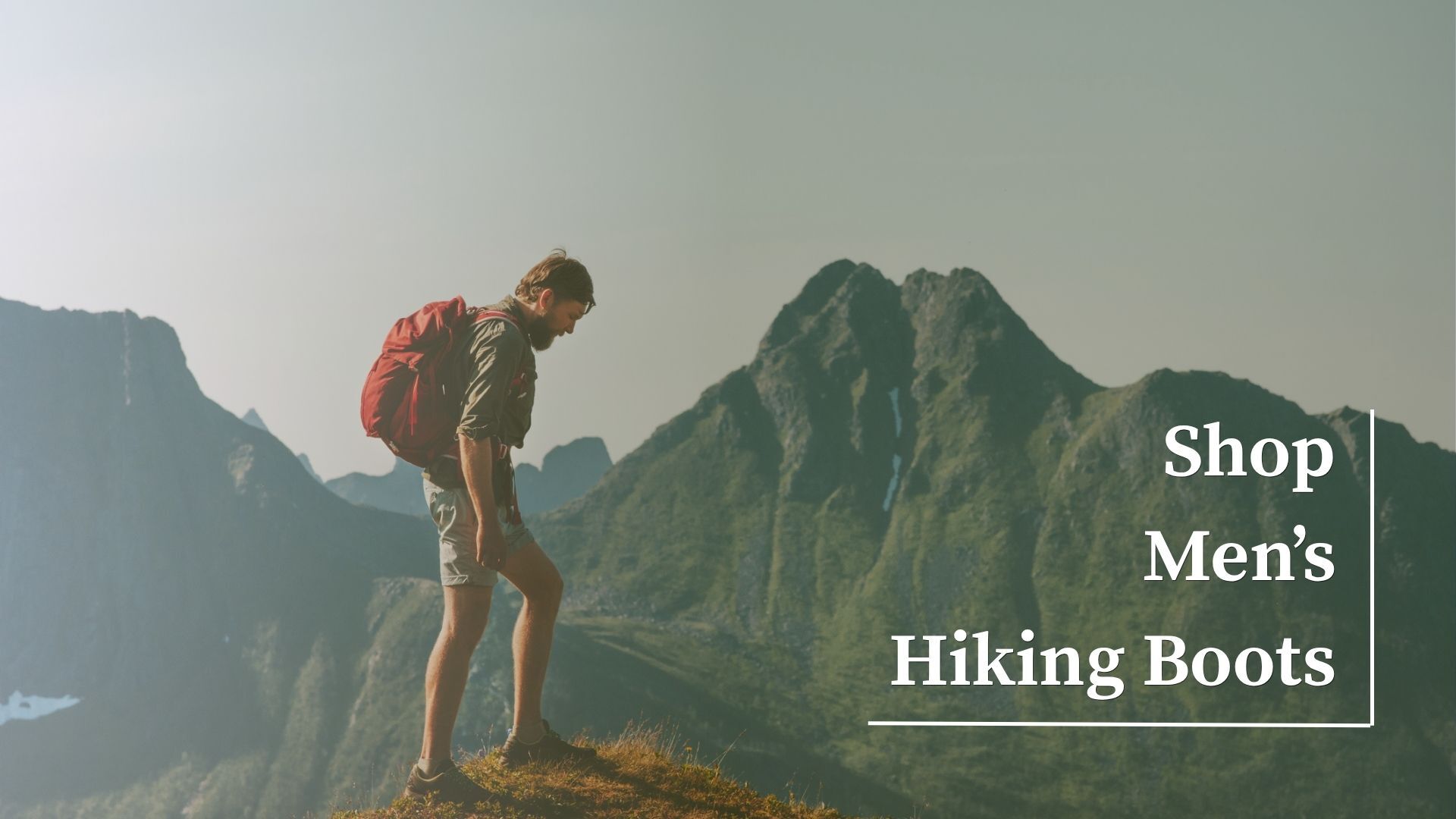
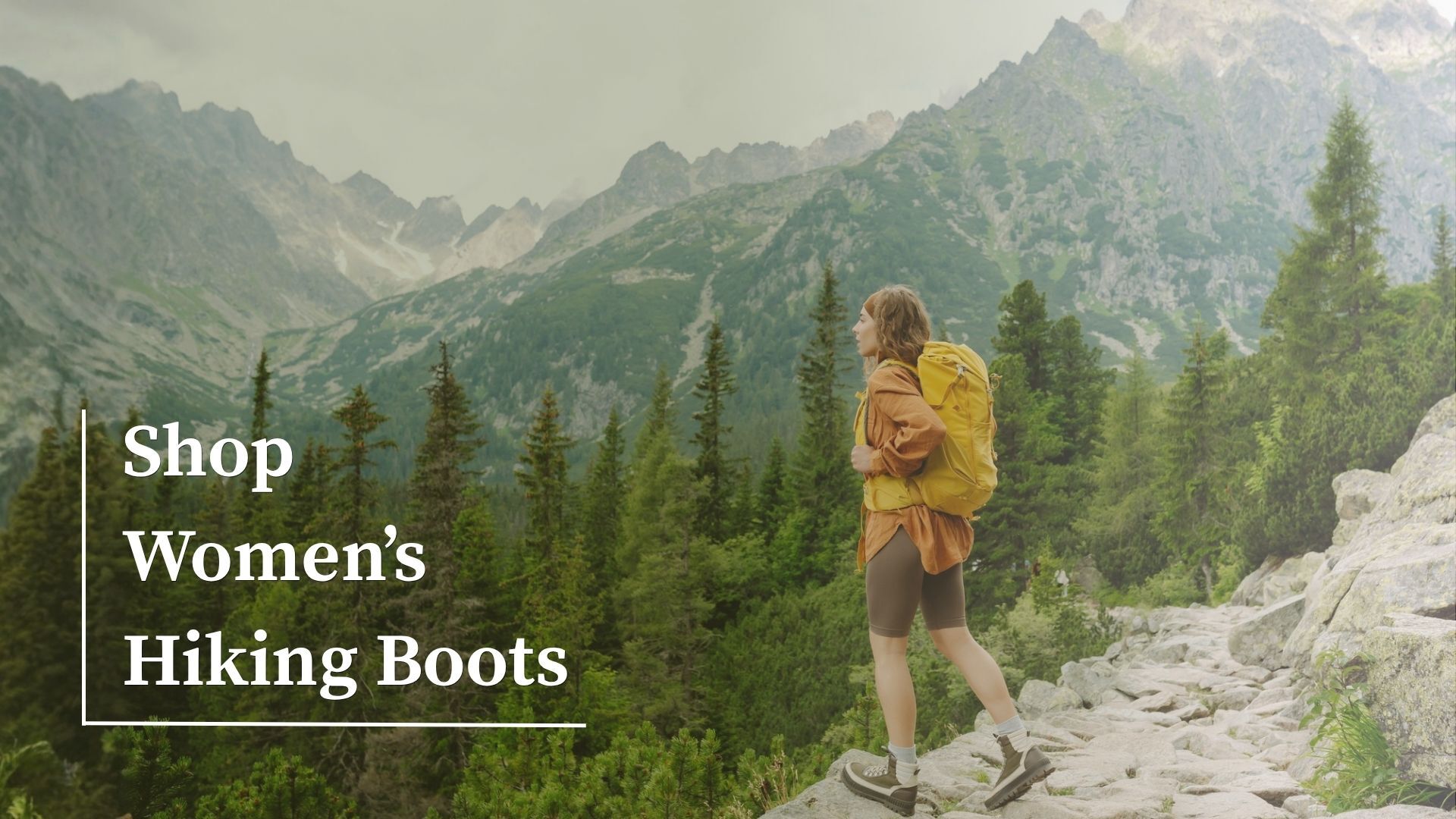
Choosing the right hiking footwear depends on the type of hike you are planning. Family Footwear Center carries hiking boots and hiking shoes from Merrell, Keen, Danner, Rocky, and more. Choose from waterproof and non-waterproof styles, low-cut hiking shoes, and boots up to eight inches in medium, wide, and extra wide widths.
Choosing the Right Hiking Footwear
The right hiking footwear depends on where you hike, how far you are going, the weather conditions, and what you are carrying. The best option balances support, traction, comfort, and protection for your specific adventure.
Match Your Footwear to the Hike
Day Hikes With a Light Pack
For most day hikers on marked trails, a hiking shoe is enough. Low-cut styles from brands like Merrell and Keen reduce weight over longer distances. Extra height is not always needed if you are carrying a lighter load.
When You Need the Boot
On loose rock and uneven terrain, additional support can make a difference. Once you are carrying heavier loads, a mid or eight-inch boot from brands like Rocky or Danner can provide more structure and support.
Wet Weather and Winter Hiking
In wet conditions, waterproofing matters more than height. A waterproof breathable membrane helps protect against stream crossings and wet brush. For colder conditions, check insulation options or consider a dedicated winter boot for deep snow.
Features to Consider
Waterproofing
A waterproof breathable membrane blocks water while allowing sweat to escape. The tradeoff is breathability, so non-waterproof boots can feel cooler in hot and dry conditions. Check the waterproof filter when comparing options.
Outsoles and Traction
Deep lugs help grip mud and loose dirt, while quality rubber compounds provide better traction on wet rock. Widely spaced lugs also help shed mud instead of collecting it.
Cushioning and Support
A cushioned midsole helps absorb impact over distance. A stiffer shank helps prevent fatigue on rocky terrain. Heavier loads typically benefit from more structure, while lighter hikes allow for more flexibility.
Leather and Synthetic Uppers
Leather lasts longer and molds to your foot over time, but it usually requires more break-in. Synthetic materials weigh less and are often ready to hike sooner. Many modern hiking boots combine both materials.
Hiking Boots, Hiking Shoes, and Trail Runners Compared
The right hiking footwear depends on your trail conditions, distance, pack weight, and personal preference. Hiking boots provide the most support, while hiking shoes and trail runners prioritize lower weight and flexibility.
| Hiking Boots | Hiking Shoes | Trail Runners | |
|---|---|---|---|
| Height | Mid to eight inches above the ankle | Low cut below the ankle | Low cut |
| Weight | Heaviest option | Middle weight | Lightest option |
| Ankle Support | Full ankle coverage | Support comes from the midsole and lacing | No ankle support |
| Best Load | Heavy packs and heavier loads | Light packs and day hikes | No pack or running vest |
| Best Terrain | Rocky trails, steep terrain, and uneven footing | Maintained and moderate trails | Smooth, runnable trails |
| Break-In | One to two weeks, longer for leather | A few days | Little to none |
Hiking Footwear FAQs
The questions customers ask most before a first big hike.
Do I really need a waterproof hiking boot?
Can I hike in running shoes or tennis shoes?
How much ankle support do I actually need?
How do I get hiking boots to fit correctly?
Do you carry wide hiking boots?
How do I break in new hiking boots?
Gear Up for the Trail
With 33 years of helping customers find footwear, four Northeast stores , and an authorized dealer relationship with every brand we carry. Find the right hiking boots or shoes for your next adventure.
QUESTIONS? CALL 1-888-855-0119